

Supplier Spotlight: H.W. Greenham & Sons
Australian Grass-Fed, Wagyu & Mature Beef with a Commitment to Eating Quality
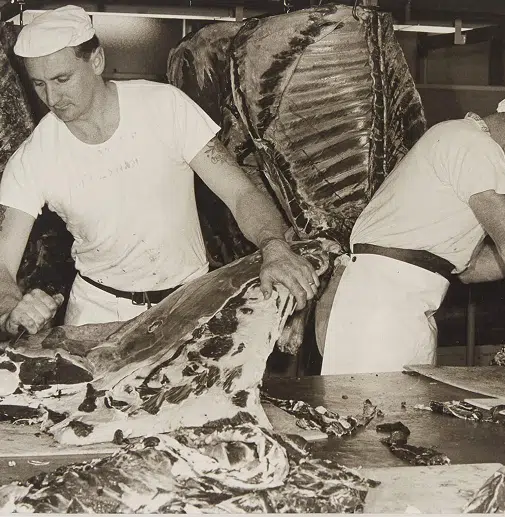
At Marx Foodservice, the quality of what we deliver to chefs begins long before a cut reaches the butcher’s table. Our Supplier Spotlight series is designed to introduce the producers behind the programs we represent — offering transparency into their values, practices, and the partnerships that shape our sourcing philosophy.
This spotlight features H.W. Greenham & Sons Pty Ltd, a sixth-generation Australian beef producer whose focus on region, genetics, and eating quality aligns closely with Marx Foodservice’s commitment to consistency and performance on the plate.
A Shared History Rooted in Craft and Family Ownership
With six generations of experience in the meat business in Australia, H.W. Greenham & Sons traces its origins back to the early 1800s. William Henry Greenham Senior established a retail butcher business in Melbourne, later expanding into meat buying and exporting in the early 1900s under the guidance of his grandson, Henry William Greenham Senior.
That long family lineage mirrors the history of the Marx Companies. The Marx family emigrated from Baden-Baden, Germany, in 1895, beginning as cattle dealers and butchers in Brooklyn before relocating to New Jersey. In both cases, craftsmanship, independence, and long-term thinking shaped the businesses from the start.
Today, Greenham works with a collective of more than 8,000 family-run farms to produce premium beef from southern Australia and Tasmania — regions known for lush ryegrass and clover pastures, high rainfall, and a temperate coastal climate ideally suited for raising exceptional grass-fed cattle.


The Greenham Portfolio at Marx Foodservice
Greenham and Marx Foodservice share the same guiding principles: prioritizing quality, consistency, and the needs of chefs.
Represented in the U.S. by Marx Foodservice since 2025, Greenham’s portfolio includes three distinct beef programs:

100% grass-fed beef from Tasmania and southern Australia, processed with tenderstretching to enhance tenderness and eating quality.

Mature, pasture-raised beef produced in the Galician tradition, prized for deep, developed flavor.

Barley-finished Wagyu crossbred beef offering balance between marbling, tenderness, and beef-forward flavor.
Each program is designed with a specific culinary purpose in mind, offering chefs differentiated tools for menu development rather than interchangeable commodity beef.
Inside Greenham: A Q&A with Jelena Radisic
Group Marketing Manager, H.W. Greenham & Sons
To better understand what sets Greenham apart — from genetics and feeding programs to grading systems and sustainability — we spoke with Jelena Radisic, Greenham’s Group Marketing Manager.
How does Greenham differ from its competitors?
"We focus on being the best at what we do, not the biggest. We're committed to quality and niche premium brands. All our brands, regardless of being grass or grain-fed, are HGP-free, which significantly improves eating quality. We've also invested in processes like tenderstretching, a real point of difference, especially when paired with a grass-fed product.
We've established strong farmer relationships supported by industry-leading on-farm programs. We work directly with our suppliers to build value, offer support, and grow together. It's a genuine partnership, not just a transaction. Many other packers have a degree of separation from their suppliers. Our on-farm programs, like the Never Ever Beef Program, are built on integrity and transparency. Our Lifetime Traceability model is unique, and our Certified Humane accreditation reflects a strong commitment to animal welfare.
We are family-owned and independent. Being family-run means a more personal, responsive experience. We're focused on long-term success of our business and the industry, not short-term gains."
What do you see as a shared strength across all of Greenham's brands?
"Across all our brands, a defining strength is the regions where our cattle are raised. We source from southern Australia — Tasmania, Victoria, parts of South Australia around the Limestone Coast, and occasionally southern NSW — regions recognized globally for their temperate climate, high rainfall, and fertile soils."
What are the advantages of barley finishing Pure Black Wagyu?
“Our cattle are finished on a custom barley-based ration (minimum 70%), which offers two key benefits. Firstly, consistency — many grain programs vary feed inputs based on commodity pricing, but we maintain a stable formulation year-round, helping to deliver a consistent product and flavor profile.
Secondly, performance — barley is high in protein and highly fermentable in the rumen, improving nutrient absorption and supporting efficient growth and marbling development. We’ve also had anecdotal feedback from Korean customers who describe a sweeter, richer flavor that they associate with barley feeding. Barley-fed pork from Europe is popular in those markets for the same reason, and similar comments have been made about our beef.”
Explain the genetics behind Pure Black Wagyu. Why does it make a difference in eating quality?
“The Pure Black program benefits from our close relationship with the Hammond family, who produce Robbins Island Wagyu (a purebred Wagyu program). While Pure Black Wagyu is a separate program, we have access to select Wagyu genetics they’ve developed over time — genetics that have been refined for traits such as fine marbling, soft fat, and lower melting point.
In Pure Black, we cross these genetics with European breeds to create a minimum F1 product. The result is beef that offers a balance of beef-forward flavor and Wagyu-style tenderness, juiciness, and marbling, particularly when combined with time on pasture (12–18 months) prior to grain finishing.”
The Vintage Beef Company produces beef from mature cows, which is highly valued by beef connoisseurs in several parts of the world. Why does age matter?
“While Spain is often referenced, vintage-style beef is also appreciated in France, Italy, and other countries, where older animals are traditionally valued for their deeper, more developed flavor. For example, in Paris, steaks from cows that have calved multiple times (typically six to seven years old) are considered premium.
The flavor of the pasture-raised meat from The Vintage Beef Company reflects the age of the animal and the longer time spent developing intramuscular fat and complex muscle structure. Chefs describe it as having a deep beefiness, with earthy, savory undertones, sometimes likened to aged cheese or nuttiness — rich, bold, and memorable.
The Vintage Beef Company cattle are raised entirely on pasture, which contributes to a clean, mineral finish, and often results in a yellow fat color, due to beta-carotene naturally present in grass. This visual marker reinforces the authenticity of a full pasture-based lifecycle.”
Tenderstretching is an important step in the processing of Bass Strait Beef. What does tenderstretching do?
“Tenderstretching involves an alternative means of hanging the carcass by the aitch or hipbone in a more natural state during chilling to prevent muscle shortening. When a carcass is hung so the leg drops down at a 90-degree angle, several muscles are held in a stretched position so they cannot contract during rigor mortis.
This method was discovered decades ago and does enhance tenderness, especially in hindquarter cuts, but it requires more space and handling and is not commonly adopted by other processors. We’ve found it worth the investment for Bass Strait. Tenderstretch hanging has been shown to improve Meat Standards Australia (MSA) grading system results. It brings noticeable tenderness to traditionally undervalued cuts and opens the door to center-of-plate applications.”
Tell us more about the Meat Standards Australia (MSA) grading system.
“The MSA grading system is a predictive model built on consumer research involving more than 100,000 taste tests. The system uses more than 16 variables to predict the eating quality of a specific cut, cooked a specific way. In addition to hanging method (e.g., tenderstretching), these include pH, marbling, fat depth, ossification, HGP promotants, aging time, and cooking method.
MSA is considered highly accurate at predicting eating quality and more versatile for foodservice applications because it is objective and science-based, it recognizes variation within the carcass, and it predicts actual eating experience per cut and cooking method.”
How does Greenham support their local community?
“We actively invest in the future of the industry through graduate programs and scholarships, and we support the rural communities we operate in. We support many rural sports clubs and community centers as well as producer events. These values are core to how we operate every day.”
What is Greenham’s commitment to sustainability?
“We’ve co-developed a rigorous on-farm sustainability standard with our producers. It is focused on four key pillars: environmental stewardship, animal welfare, economic resilience, and people and community. We’re one of the first processors to implement something this comprehensive, with meaningful input from producers and industry experts. Beyond the environmental benefits of the program, we are working with producers to help them build sustainable businesses.”
About Marx Foodservice
Marx Foodservice is a wholesale meat distributor with more than 30 years of experience supplying chefs and restaurants.
We seek out only the finest meats and seafood — humanely raised or wild-caught, with top-tier animal welfare and minimal environmental impact. We source globally so chefs can cook without limits, offering expertly butchered cuts designed for consistency, yield, and performance.
We deliver by van to restaurants throughout New York, New Jersey, and Pennsylvania, and ship nationwide via FedEx.